Autumn sees a surge in infectious diseases among children; here, we address the key concerns parents have most frequently.
2026-10-19
One autumn rain and one winter cold. In the middle of October, the weather is getting cooler, and the temperature difference between day and night is increasing. The child's immune system is still developing, and its resistance is relatively weak, and it is vulnerable to various pathogens. The dense presence and close contact on campus will increase the risk of infection and transmission, and if you don't pay attention, you can "catch a trick," which is a major headache for parents.
New China Health invited Feng Wenya, chief physician of infectious medicine at Beijing Children's Hospital, to provide a professional interpretation around the identification points, medical signs and home care of high-risk infectious diseases in children in the fall.
Question 1: What are the recent high incidences of infectious diseases among children?
A: It is still mainly respiratory infections. According to monitoring data from the Chinese Center for Disease Control and Prevention for week 41, the top three pathogens detected in influenza-like illness cases at outpatient and emergency departments were influenza virus (13.6%), rhinovirus (11.2%), and enterovirus (3.9%). Among the cases of severe acute respiratory infection hospitalized, rhinovirus, influenza virus and human papillomavirus ranked high. The positivity rate of the coronavirus continues to decline and is already at a low epidemic level.
In addition to respiratory infections, there are two types of acute gastroenteritis caused by norovirus and rotavirus in autumn and winter. The second is hand, foot and mouth disease, chicken pox and other rash-related infectious diseases. These diseases are relatively common in children, but this does not mean that they have been increasing recently, and parents should take precautions and observe their children's symptoms in light of their symptoms.
Question 2: How can I distinguish between influenza, coronavirus and adenoviruses?
A: Symptoms alone are difficult to distinguish accurately. Compared with the common cold, the flu tends to get sick more quickly, with more severe symptoms such as fever, headache, muscle aches and weakness. If a family member or classmate has recently been diagnosed with the flu and your child has similar symptoms, you should focus on the flu. The common cold usually consists mainly of nasal congestion, runny nose and sneezing, and is mild and uncomfortable throughout the body.
Similar symptoms can be seen in coronavirus infections, with some adenovirus-infected children having high fever, sore throat and possibly bloodshot eyes. However, these symptoms overlap, so parents don't guess on their own which virus is needed and whether testing is needed requires a doctor's judgment in light of the specific situation. More important than guessing the virus is looking at the child's overall condition.
Also, watch out for respiratory syncytial virus (RSV) and Mycoplasma pneumoniae. The initial symptoms of respiratory syncytial virus are very similar to the common cold, but small children under 6 months of age are more likely to experience wheezing, shortness of breath, difficulty nursing and other symptoms after infection, and are one of the important pathogens causing lower respiratory infections in infants and young children. Pneumoconiasis is more common in school-age children. It often manifests as fever and cough. Some children have a severe cough that lasts longer. Antibacterial drugs such as penicillin and cephalospora are not effective against it. Do not use antibacterial drug on your own children.
Question 3: A child who vomits diarrhea or develops a rash. How can I recognize it early?
A: If a child shows vomiting or diarrhea, it is important to be aware of dehydration first. If the child has significantly reduced urinary quantity, dry mouth, few tears when crying, and poor mental health, he should seek medical attention in time. Every day, help children develop the habit of not drinking raw water and eating raw fruits and vegetables and washing them. Norovirus is highly contagious. If someone in your home is infected with norovirus, pay special attention to hand hygiene and environmental sanitation. Children should rest at home and return to school after 72 hours after symptoms have completely disappeared. Adults should also try to avoid cooking for family members and caring for infants and young children within 3 days after symptoms disappear.
When you develop a rash, focus on your hands, feet and chickenpox. If your child has a pain in the mouth, drooling, unwillingness to eat, and a rash or herpes on the palm, soles of the feet, or hips, be alert for hand, foot, or mouth disease. If you experience inability to drink water, poor mental health, jumping or shaking, seek medical attention immediately, and do not wait until the rash is noticeable. September-November is the autumn peak for hand, foot and mouth disease. Children 5 and younger are susceptible. Parents should be vigilant. Chickenpox is mostly characterized by a rash on the head, face and trunk that gradually develops into blisters, often accompanied by itchiness, and the rash can exist simultaneously at different times.
Question 4: What symptoms does a child have to go to the hospital?
A: To determine whether you need medical attention, you must not only look at your temperature, but also combine your child's age, basic health, and a comprehensive assessment of your mental, respiratory, drinking, and urinary levels.
Previously healthy, older children, if the symptoms are mild, the spirit is still OK, breathing smoothly, and they can drink normal water and urinate normally, they can rest at home and watch closely first. However, if you experience difficulty breathing, purple lips, significant sleepiness or difficulty waking, convulsions, or frequent vomiting, not drinking water, and significantly reduced urine, you should seek immediate medical attention. If you have a fever for more than three days, or if you have another fever and a worsening cough after your condition improves, you also need to be evaluated promptly, and don't wait.
Children under 5 years of age, especially under 2 years of ages, as well as children with chronic underlying diseases or weakened immune function, should be monitored closely after developing symptoms of infection and should consult a doctor as early as possible; In particular, infants younger than 3 months of age should seek medical attention as soon as they develop a fever.
In addition, parents can simply count breathing: counting for a full minute in a quiet state, ≥ 60 times / minute below age 2 months, ≥ 50 times / moment between 2 months and 1 year, ≥ 40 times / point between 1 year and 5 years, indicating that breathing may be faster and requires prompt medical evaluation.If you have already experienced significant breathing difficulties, even if the above frequency is not reached, you should seek medical attention immediately.
Question 5: What are the main points to pay attention to in-home care?
A: Home care focuses on four things.
One is hydration. Heat, vomiting, and diarrhea all increase water loss, so be careful to replenish water. The baby should continue to be fed breast milk or formula; When vomiting or diarrhea occurs, oral rehydration salt may be given in small amounts multiple times as directed by the doctor to prevent and correct dehydration.
The second is observation. Don't just look at your body temperature, but also keep an eye out for changes in your mental, breathing, amount of food and urine. If the spirit is getting worse, or if you experience difficulty breathing and a noticeable decrease in urine, you should seek medical attention in time.
Third, medication. Use fever medications as prescribed or prescribed. Do not increase doses yourself or use fever killers frequently in pursuit of fever reduction. Reducing your fever does not mean you are cured. Do not rush back to school as soon as your fever has subsided.
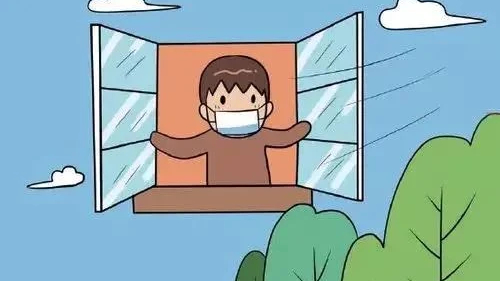
Fourthly, prevention of transmission. When a child develops symptoms of an infectious disease, he or she should inform the school promptly and rest at home in accordance with disease control requirements. Wash your hands with soap or hand sanitizer following the "seven-step washing method" before and after eating, and after you return home from work. Ventilate your home 2-3 times a day for no less than 30 minutes at a time. In particular, parents should be reminded that preventing the spread of norovirus cannot rely solely on non-alcoholic disinfectant and should carefully wash their hands with soap and running water.
Feng Wenya cautioned that although there are many types of infectious diseases in children in the autumn, parents should not panic too much. In general, let children wash their hands often, pay attention to indoor ventilation, avoid crowded and confined places, and receive relevant vaccines in time according to the immunization procedure. Tell the school when you have symptoms, rest at home, and don't bring illness to class. If you experience risk signs such as difficulty breathing, poor mental health, not drinking water, significantly reducing urine, or convulsions, you should seek medical attention as soon as possible, and don't delay your condition by "waiting for the fever to subside" or "waiting for a rash to appear." (Looking ahead to a new era)
Edit:WENWEN Responsible editor:LINXUAN
Source:China News Service website
Special statement: if the pictures and texts reproduced or quoted on this site infringe your legitimate rights and interests, please contact this site, and this site will correct and delete them in time. For copyright issues and website cooperation, please contact through outlook new era email:lwxsd@liaowanghn.com

 Recommended Reading Change it