Make cultural heritage a universal language for understanding China
2026-07-10
Recently, cultural and natural heritage days have been held in various places, focusing on the systematic protection of intangible cultural heritage and showcasing the latest achievements in the inheritance and protection of intangible cultural heritage. From Qin bricks and Han tiles to Tang style and Song rhyme, from Silk Road Sanskrit to intangible cultural heritage techniques, Chinese cultural heritage not only records the historical trajectory of the Chinese nation, but also transcends language, national borders, and cultural differences, becoming a universal language that can be perceived by different ethnic groups without the need for translation.
When we talk about "cultural globalization", we focus on how cultural products can actively go global and resonate in the market; When people turn their attention to cultural heritage, they are asking a more fundamental question: how can different civilizations achieve mutual understanding and trust? If "cultural globalization" is the engine driving Chinese culture to the world, solving the problem of "how to go global", then cultural heritage is the solid foundation supporting this process, answering the question of "why is it recognized".
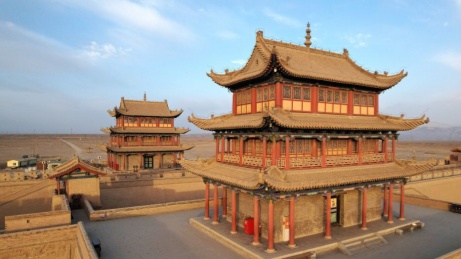
Shakespeare's plays can move people from different countries, and pyramids can amaze people today with the wisdom of thousands of years ago. Similarly, whether it is the magnificent Forbidden City, the majestic Great Wall, or the graceful Kunqu Opera and exquisite Su embroidery, they are not only important symbols of Chinese civilization, but also reflect humanity's universal pursuit of beauty, craftsmanship, and peace. This cross temporal cultural resonance enables people from different countries and cultural backgrounds to find emotional intersections within the same artifact and ancient city. In addition, the universal sentiment, wisdom, and values embodied in Chinese culture can provide useful inspiration for promoting the progress of human civilization, which is the deepest cornerstone of cultural heritage as a universal language.
Currently, China is accelerating the construction of a systematic cultural heritage protection system. In response to the development goals of the 15th Five Year Plan period, China has clearly proposed to promote systematic protection and unified supervision of cultural heritage. The newly revised "Law of the People's Republic of China on the Protection of Cultural Relics" has established a cultural heritage protection system framework guided by laws and supported by multiple regulations. From the overall protection of the Yangtze River National Cultural Park to the Fourth National Cultural Relics Census; From the construction of traditional village protection areas to the implementation of digital protection of cultural relics, China is using systematic thinking to build a strong barrier for the protection of cultural heritage.
The government plays a crucial role in coordinating and guiding the dissemination of cultural heritage to the outside world through central local linkage, policy support, and platform building. Based on local characteristics, promote regional cultural brands to go global. For example, relying on Sanxingdui and Jiuzhaigou Valley Scenic and Historic Interest Area, Sichuan Province has established a long-term joint exhibition mechanism with European museums; Zhejiang Province deeply cultivates Liangzhu culture, Yue opera, and Longquan celadon, creating a "Zhejiang style intangible cultural heritage global tour"; Xiamen City, Fujian Province has implemented site reduction and overseas subsidies for non heritage cultural and creative export enterprises, forming a cultural heritage overseas industry cluster. Historical and cultural cities such as Nanjing in Jiangsu, Xi'an in Shaanxi, and Luoyang in Henan have also introduced special policies to provide funding and channel support for projects such as intangible cultural heritage going abroad and digital cultural relics exhibitions.
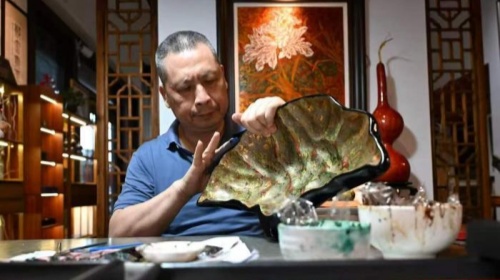
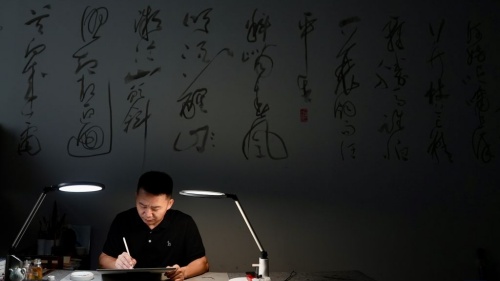
Civil power cannot be ignored either. Cultural bloggers, international students, and overseas Chinese who are active on social media platforms bring cultural heritage into the daily lives of ordinary people through short videos, podcasts, and offline workshops. Many inheritors of intangible cultural heritage and folk craftsmen no longer create behind closed doors, but actively bring their crafts to foreign countries for exchange. For example, shadow puppetry appears on the streets of Spain, Nanyin from Quanzhou, Fujian echoes along the banks of the London River, and traditional oil paper umbrellas enter Southeast Asian markets. These cultural practices originating from the people do not have grand narratives, but they root cultural heritage overseas in the simplest way possible.
The international dissemination of cultural heritage is not a one-way export, but a two-way nourishment. China is promoting equal exchange and mutual learning between Chinese and foreign cultures with a more open attitude. For example, when Chinese Paper Cuttings entered northern Europe, it incorporated local Christmas elements and designed festival Paper Cuttings patterns; Miao embroidery made its debut at Paris Fashion Week, combining Western tailoring to create trendy clothing; Zigong lanterns, combined with local mythological images, have become festive landmarks in Thailand and Panama. These "localization" transformations have truly rooted Chinese cultural heritage and made it accepted and loved by foreign people. Civilization exchange is a two-way process. While promoting cultural heritage to go global, we also adopt an open attitude to absorb the achievements of world civilization. In recent years, China and Uzbekistan have cooperated in the excavation of the ancient city of Ming Tiepei, and jointly repaired the Angkor monument Zhousa Temple with Cambodia. Together with Egypt, they have conducted archaeological work on the Temple of Montu. These joint archaeological and cultural relic restoration projects not only demonstrate the progressiveness of China's cultural heritage protection technology, but also promote in-depth dialogue between different civilizations.
Making cultural heritage a universal language for the world to understand China is not only a strategic choice to enhance the country's cultural soft power, but also a cultural foundation to promote the construction of a community with a shared future for mankind. Revitalizing and utilizing these heritage resources, telling the story of China in a concrete, lifelike, and international way, and letting the world see the unique value of Chinese civilization and perceive its deep concern for the common destiny of humanity, is precisely the mission of cultural heritage as a universal language of the times.
Edit:Momo Responsible editor:Chen zhaozhao
Source:Guangming Net - Guangming Daily
Special statement: if the pictures and texts reproduced or quoted on this site infringe your legitimate rights and interests, please contact this site, and this site will correct and delete them in time. For copyright issues and website cooperation, please contact through outlook new era email:lwxsd@liaowanghn.com
 Recommended Reading Change it




















 Home
Home

