 Economy
2026-07-14
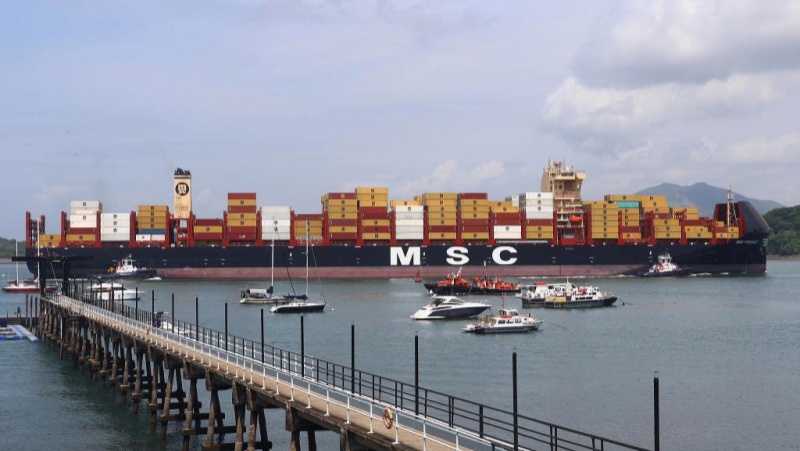
Surging coffee output cuts in Brazil, power grid alerts in the UK, reduced permissible vessel draught for Panama Canal transit… Seemingly unrelated incidents may stem from one shared trigger: the El Niño phenomenon, driven by abnormal sea surface temperature spikes across parts of the Pacific Ocean. Amid frequent global extreme weather events in recent years, economists, international institutions and financial markets have grown increasingly focused on this meteorological term.
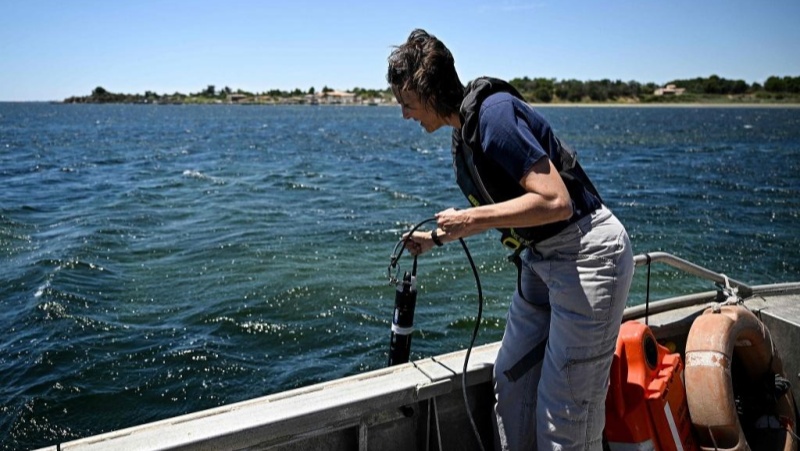
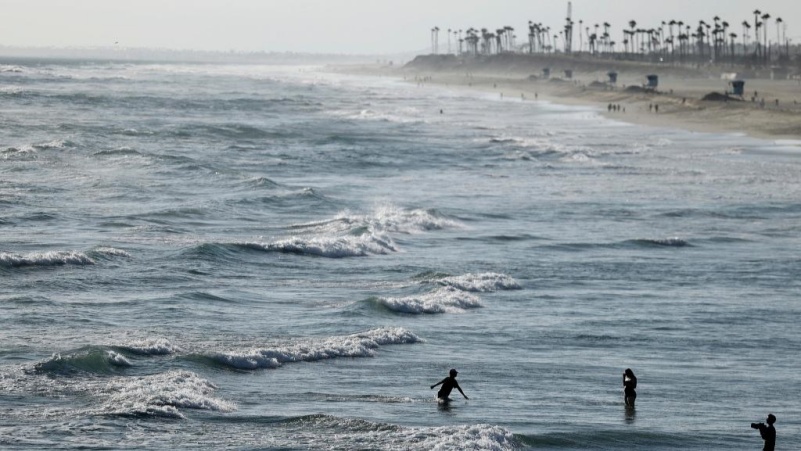
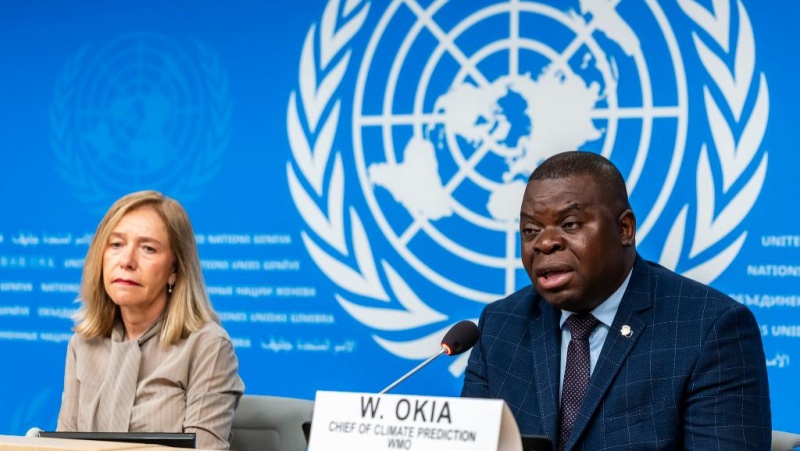
In an era of full globalization, El Niño is far more than a meteorological concept; it has evolved into a major risk factor swaying global market sentiment. The International Monetary Fund (IMF) notes in its research that El Niño’s shocks spill far beyond weather-affected nations, propagating through international trade, cross-border investment and commodity markets to hit economies untouched by extreme weather directly.
Many of the world’s key agricultural producing regions fall within zones highly vulnerable to El Niño. Brazil ranks as a top global exporter of coffee and sugar; India and Thailand are major rice producers; Indonesia and Malaysia supply most of the world’s palm oil; cocoa cultivation is concentrated in West Africa. Once extreme heat, drought or torrential rain disrupt crop growth, global market supply tightens and prices surge.
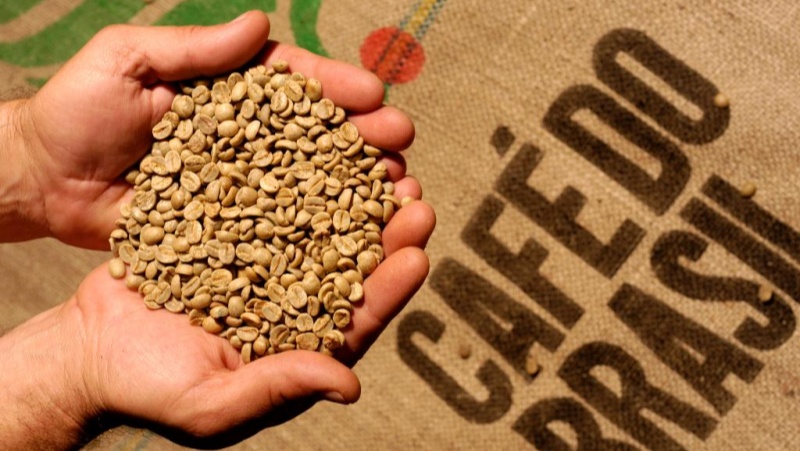
Coffee beans at the São Joãozinho Farm in Pinhal, São Paulo State, Brazil. (VCG)
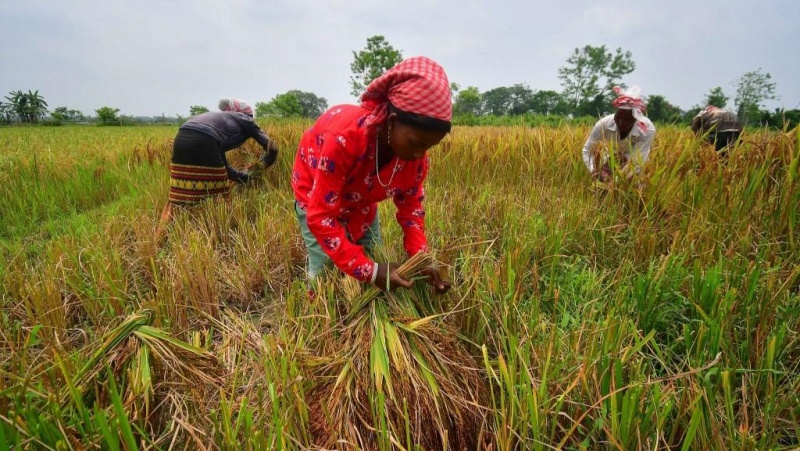
Local time, June 2, 2026, Nagaon, Assam, India: Women harvest rice early amid a heatwave. (VCG)
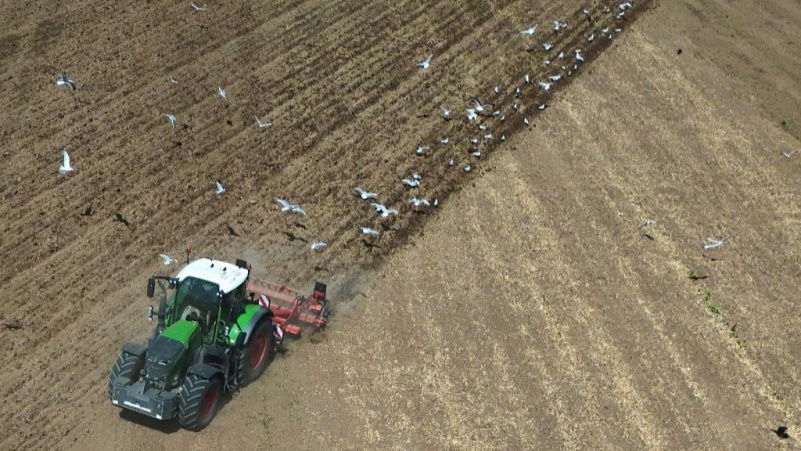

Local time, July 1, 2026, Croydon, south London, UK: Workers install air conditioning outdoor units on a residential rooftop amid intensifying heat. (VCG)
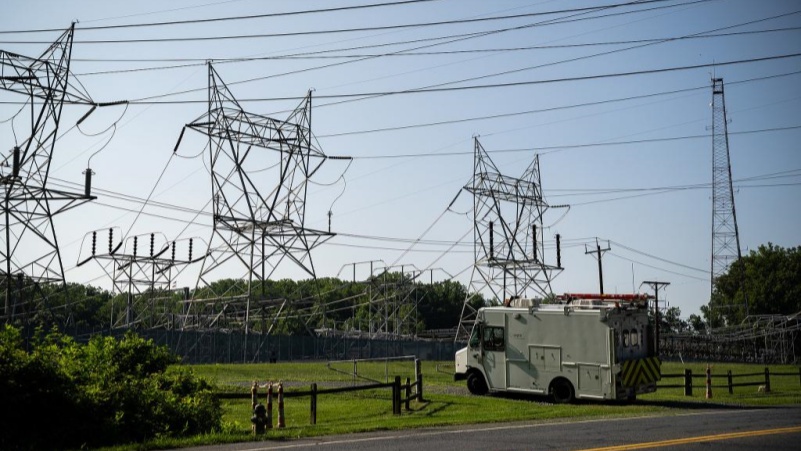
Abnormal weather also boosts energy demand. Hot weather drives up electricity use for cooling; drought curtails hydropower output, forcing many nations to ramp up consumption of fossil fuels including natural gas and coal, roiling global energy markets. Higher food and energy costs in turn push up the Consumer Price Index (CPI), amplifying inflationary pressures.

More than just a climatic occurrence, El Niño acts as a mirror reflecting the ever-tighter linkages between the global economy and the natural environment.
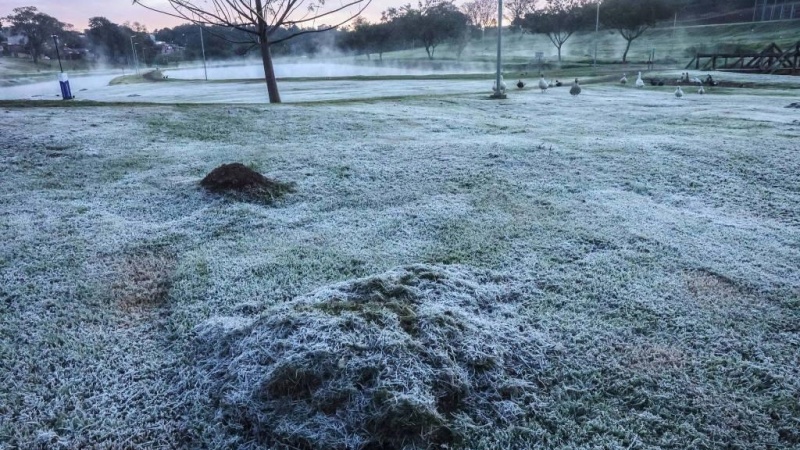
For one, global industrial supply chains are deeply interconnected. Extreme weather hitting major grain belts, mineral-rich nations or critical shipping corridors ripples rapidly across global markets. The Panama Canal Authority recently announced further cuts to maximum permissible vessel draught amid projected prolonged drought triggered by El Niño, inevitably lifting global ocean freight costs. Separately, heatwaves and drought disrupt mining for copper, lithium and other resources, pushing up manufacturing expenses.
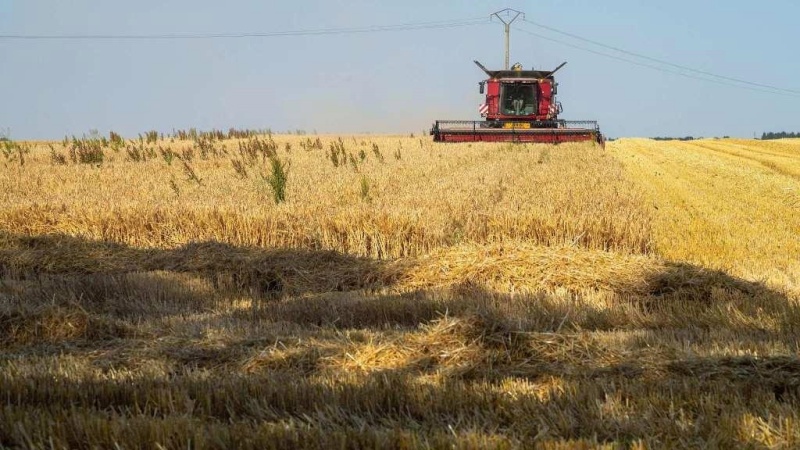
For another, global warming has boosted the frequency and intensity of extreme weather events. A growing body of research argues that future economic risks will stem not only from traditional threats such as financial crises and geopolitical conflicts, but also from climate change, a major variable shaping growth, inflation and trade. In recent years, institutions including the World Bank and IMF have repeatedly urged nations to bolster resilience in agriculture, energy and supply chains to buffer economic fallout from climate risks.

Special statement: if the pictures and texts reproduced or quoted on this site infringe your legitimate rights and interests, please contact this site, and this site will correct and delete them in time. For copyright issues and website cooperation, please contact through outlook new era email:lwxsd@liaowanghn.com
 Recommended Reading Change it
























 Home
Home
