The Ministry of Culture and Tourism recently unveiled the "15th Five-Year Plan for the Building of a Tourism Powerhouse," proposing to promote the "Chinese style" of hospitality, display the cultural characteristics of Chinese tourism, and cultivate the "Chinese service" brand. Travel and Tour World, a well-known international travel media, said in a report that the new plan proposes simplifying immigration procedures, increasing flight connections, Measures such as upgrading smart tourism services and promoting cultural experiences are important systematic arrangements for China to promote the transformation and upgrading of the tourism industry. While creating a friendlier, more convenient and better travel environment for tourists from all over the world, they will also strengthen China's competitiveness in the global tourism market.
Improved visa and easier transportation to create "deep travel destinations"
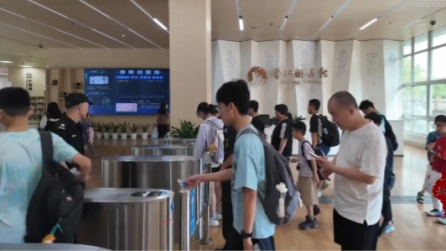
At present, China has implemented a 240-hour visa-free transit policy for citizens of 55 countries, and people from relevant countries hold valid international travel documents and joint ticket for a fixed date and itinerary. Transiting from China to a third country or region may enter without a visa from any of the 65 open ports in 24 provinces (autonomous regions, municipalities) including Beijing and Shanghai, and stay in the prescribed areas for a period of not more than 10 days.
The report believes that the new plan further proposes expanding the scope of visa waiver. The optimization of all-process services is aimed at reducing travel resistance among foreign tourists, encouraging more tourists to choose China for leisure vacations, cultural exploration, business travel and long-term stays, and making "just go" travel more practical.
In parallel with the visa policy, the comprehensive upgrading of the international transport network has been advanced. The new plan calls for the active opening of new international air routes and special tourism trains, increasing the number of flights and capacity. Better connectivity could lure tourists from first-tier cities to cultural, nature and industrial destinations, the report said. For overseas travelers, transportation convenience is often the watershed between short-term catch-up trips and in-depth trips. China's infrastructure provides a solid basis for building a deeper tourism economy.
Optimize experiences in detail "Unseen services" activate spending potential
If visas and flights solve the question of "can I come?" payments, communications, tax refunds, etc. determine the question of whether I want to stay longer after I come. The new plan recognizes a reality: foreign travelers rate a destination on both the attractions and the convenience. In the future, China will focus on simplifying payments, optimizing transportation, improving communication smoothness, improving accommodation and reception, and improving tax refund procedures. These seemingly trivial details directly affect consumer willingness.
The report believes that when tourists can easily use mobile payment, accessible Internet services, and smoothly handle tax refunds, shopping, dining, entertainment and other consumer chains are activated. The growth of China's tourism industry relies not only on landmark attractions, but also on subtle service improvements that eliminate travel anxiety. It is these "invisible services" that truly translate the flow of passengers into incremental consumption.
Smart travel enables experiences, language no longer a barrier
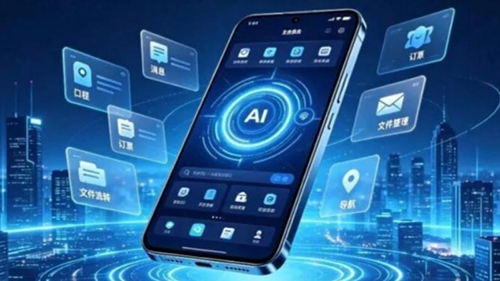
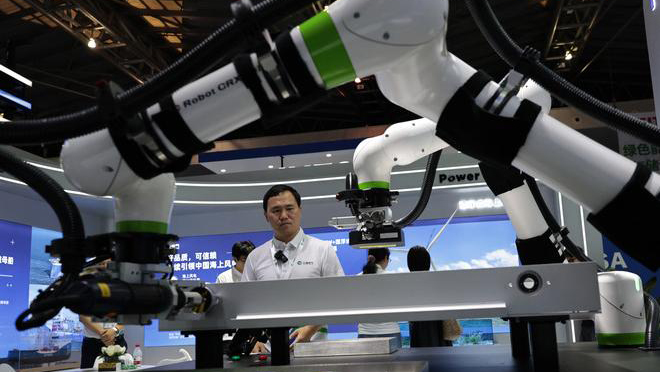
Language and cultural differences were once a major pain point for inbound tourists. In response to this issue, the new plan proposes to promote the development of smart tourism characterized by digital and intelligent, increase the training of foreign language guides, promote the application of intelligent translation equipment, and build a multilingual information service platform.
In a separate report, Travel & Tourism World said that smart tourism will be one of the most important themes of China's next phase of tourism. The widespread application of technologies such as digital guides, intelligent customer service, and real-time translation has made free travel easier. Smart tourism not only enhances the ability of tourists to explore independently, but also provides efficient tools such as traffic control and appointment separation for destination management. Technology is becoming the best bridge to bridge the sense of strangerhood.
A new picture of more open and sophisticated Chinese tourism
Travel & Tourism World believes that China's 15th Five-Year Plan for the Building of a Tourism Powerhouse sets far more than quantitative goals, but a systematic effort to make China more accessible, easier to visit, and more worth exploring. From the target of 190 million inbound tourists, to the visa-free expansion, The systematic layout of intelligent services, business district construction, and cultural integration demonstrates China's confidence in long-term international tourism demand, and also sends a clear signal that inbound tourism is not only an economic engine, but also an important window for cultural exchange and opening up.
As visa barriers are gradually reduced, service details are improved, and cultural experiences are enriched, visitors will feel a more open, convenient, and warm China. From "bringing in guests" to "retaining guests," sophisticated services are redefining the new vitality of China's inbound cultural and tourism, and contribute to the global tourism industry a vivid example of the transformation of a major country. (Outlook New Era)
Edit:Zeng Mengqi Responsible editor:Li Yi
Source:chinadaily.cn
Special statement: if the pictures and texts reproduced or quoted on this site infringe your legitimate rights and interests, please contact this site, and this site will correct and delete them in time. For copyright issues and website cooperation, please contact through outlook new era email:lwxsd@liaowanghn.com
 Recommended Reading Change it
















 Home
Home

