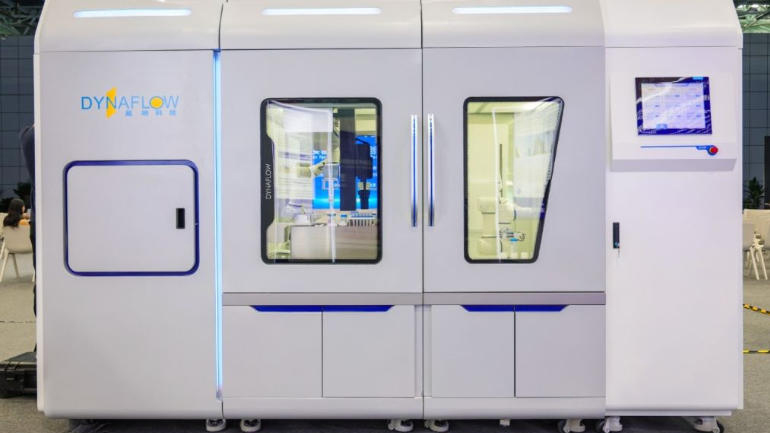
On July 14, at the Zhongguancun Forum series activity "2026 Autonomous Laboratory Conference", Deng Hongkui, an academician of the CAS Member and director of the stem cell research center of Peking University, released the first independent laboratory application of the "chemical reprogramming stem cells" technology - intelligent cell chemical reprogramming and cloning screening platform. This means that China's pioneering important technology of "chemically reprogrammed stem cells" has achieved full automation from blood to stem cells, effectively reducing clinical application costs and benefiting more patients.
It is reported that from 2024 to 2026, Deng Hongkui's team has successively published a series of studies on the preparation of islet cells from chemical reprogramming induced pluripotent stem cells to treat type I diabetes in international academic journals such as Cell. Research has shown that after transplanting pancreatic islet cells, patients have regained autonomous blood glucose regulation, and the therapeutic effect has been stable for nearly 3 years. In addition to chronic diseases such as diabetes, the technology of "chemical reprogramming stem cells" is widely believed to be applicable to major diseases such as tumors and degenerative diseases.
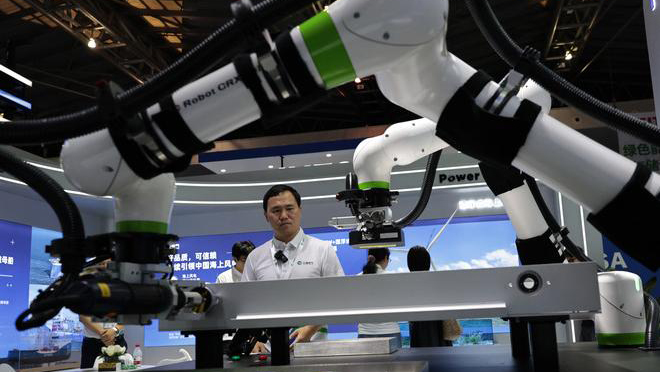
The intelligent cell chemistry reprogramming and cloning screening platform is a product of the cross innovation of 'basic research+AI+intelligent manufacturing'. ”Deng Hongkui introduced that as an independent laboratory, the platform has achieved full automation from material supplementation, chemical reprogramming, AI intelligent screening to quality inspection and output of stem cells, starting from collecting patient blood. It can also monitor experimental data in real time and provide feedback to researchers.
Standardization and closed-loop operation have improved the accuracy and efficiency of experiments, "said Deng Hongkui. Independent laboratories not only reduce the cost of clinical application of scientific research results, but also help further promote technology in medical institutions, research units, and drug manufacturing enterprises, assist scientific research, and benefit more patients.
Zhang Jihong, Director of the Beijing Municipal Science and Technology Commission and Zhongguancun Management Committee, stated at the press conference that in the next step, Beijing will continue to increase its layout in the field of independent laboratories, vigorously develop domestic high-end scientific instruments, build highly intelligent new experimental platforms that integrate technologies such as artificial intelligence, embodied robots, and high-throughput instruments, promote the deep integration of independent laboratory construction with the technology service industry, and connect the complete chain from basic research to industrial transformation. (Looking into the New Era)
Edit:He Chuanning Responsible editor:Su Suiyue
Source:Xinhua
Special statement: if the pictures and texts reproduced or quoted on this site infringe your legitimate rights and interests, please contact this site, and this site will correct and delete them in time. For copyright issues and website cooperation, please contact through outlook new era email:lwxsd@liaowanghn.com
 Sci-Tech
 Recommended Reading Change it














 Home
Home
