Unaccompanied care requires policy protection
2025-06-20
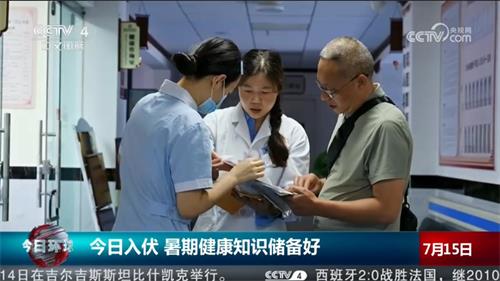
Family members are hospitalized due to illness, and accompanying them is often a concern for them. 'One person hospitalized, the whole family rushing around' not only takes time and effort, but also may not achieve ideal care results due to the lack of professional knowledge and skills among ordinary people. Realistic pain points are also breakthrough points for service optimization. In recent years, some hospitals have explored the development of unaccompanied care services, bringing good news to patients and their families. The recently issued "Pilot Work Plan for Hospital Unaccompanied Care Services" proposes to prioritize the selection of tertiary hospitals with a high proportion of elderly hospitalized patients, a high demand for unaccompanied care services, and a good working foundation in key provinces and cities with a deep aging population in China's comprehensive medical reform. Starting from June this year, a two-year pilot work for unaccompanied care services will be carried out. In the absence of family members or self-employed caregivers, patients are fully cared for by nurses or caregivers from medical institutions, which meets their practical needs. Against the backdrop of deepening aging and declining birth rates in society, people are increasingly eager for high-quality medical and health services. Relevant measures can not only help families reduce the time cost and economic burden of taking care of patients and hiring caregivers, but also alleviate the shortage of nursing staff and the imbalance of bed to nurse ratio in some hospitals and departments by introducing qualified medical nursing staff, which can be said to be a win-win situation. It should also be recognized that "upgrading services" is not simply adding functions to hospitals. To ensure the orderly operation and trust of unaccompanied care services, it is necessary to provide supporting guarantees in terms of talent supply, personnel management, and reasonable pricing. The supply of talent needs to be smooth. From caregiver to medical nurse, the transformation is not just about titles. In the past, the professional abilities and service standards of caregivers provided by third parties in the market were inevitably uneven. Although healthcare workers are not specialized technical personnel in medical institutions, as the closest "life managers" to patients, they must possess certain medical knowledge and clinical judgment abilities. The latest version of the National Occupational Standards for Medical Nursing Personnel, issued in 2024, specifies that medical nursing personnel must receive at least 150 hours of training. To cultivate a moderately sized and highly professional medical nursing staff team, it is necessary to provide certain policy guidance to upstream vocational colleges, service providers, etc., while clarifying the career development path, enhancing the attractiveness of the profession, and thus rationalizing the supply and demand relationship of talents. There is no lack of management system. The management responsibility of medical nursing staff lies with the hospital, which puts higher demands on the hospital's management level. How to connect the attendance performance and salary payment of medical nursing staff with the existing mechanism? How can their service capabilities and quality be effectively evaluated and monitored? How can the rules and regulations related to the ward be adapted to new personnel? How to deal with possible medical disputes? A series of issues related to the quality and sustainability of unaccompanied care services. Only by leading institutional construction, eliminating "gray areas", and clarifying relevant responsibilities to dedicated departments and specific personnel, can we tighten the string of quality and safety, and make patients and their families trustworthy and willing to pay. Service pricing should be reasonable. In October 2024, the National Healthcare Security Administration optimized and adjusted the nursing price policy, newly established the "unaccompanied care service" price item, and implemented government guided price management. From the pricing standards of local governments, the price of unaccompanied care services is usually lower than that of socialized and market priced caregiver services, and its universality deserves recognition. However, patients with different departments, self-care abilities, and nursing requirements often bear significantly different nursing costs. In the future, it may be beneficial to optimize the pricing system based on guidance pricing, explore diversified services and differentiated pricing strategies that are flexible and affordable, better reflect the labor value of medical care, and explore the acceptance of multiple payment entities such as commercial insurance. Unaccompanied care not only means a new way of caring for patients, but also involves adjustments in livelihood policies and medical care systems, and its exploration and improvement are still on the way. The significance of pilot work lies in timely identifying problems, overcoming obstacles, accumulating experience, and thus forming a long-term mechanism. Adhering to a problem oriented approach, providing more support and patience, will definitely make this service better benefit thousands of households. (New Society)
Edit:XieYing Responsible editor:ZhangYang
Source:people.cn
Special statement: if the pictures and texts reproduced or quoted on this site infringe your legitimate rights and interests, please contact this site, and this site will correct and delete them in time. For copyright issues and website cooperation, please contact through outlook new era email:lwxsd@liaowanghn.com
 Recommended Reading Change it




















 Home
Home

