2026-06-22
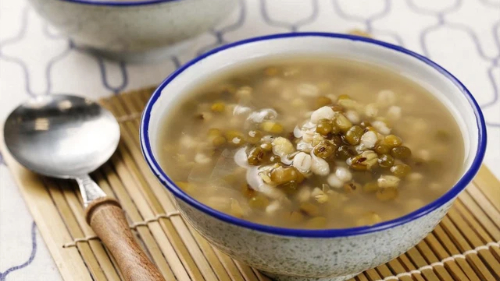
According to traditional Chinese medicine (TCM), the Summer Solstice marks a pivotal shift in yin-yang dynamics. As the sun reaches its northernmost point, days grow longest while nights shorten, yet this is also when the first stirrings of yin energy begin to emerge—embodying the Daoist principle of "extreme gives way to its opposite." The Huangdi Neijing (Yellow Emperor’s Inner Canon) notes, “After 45 days of Summer Solstice, yin qi subtly rises while yang qi gradually descends.” This transition signals the body’s need to adapt: excessive heat and humidity can deplete fluids, strain the heart, and weaken the spleen-stomach system, leading to summerheat stroke, digestive issues, or skin disorders. TCM practitioners recommend three core strategies for navigating this season: Dietary Balance: Prioritize light, moisture-clearing foods like mung beans, winter melon, and chrysanthemum tea. Avoid overconsuming cold or bitter foods that damage spleen yang. Morning ginger-jujube tea helps dispel damp-cold from the interior. Lifestyle Adjustments: Stay hydrated with warm (not icy) fluids. Wear breathable, loose clothing to facilitate sweat evaporation. Practice moderate exercise during cooler morning or evening hours to circulate qi without overexertion. Emotional Regulation: The Summer Solstice is linked to the heart organ in TCM. Cultivate calmness through meditation, gentle stretching, or time in nature to prevent “summer-heat” from disturbing mental clarity. As the saying goes, “A bowl of noodles on Summer Solstice balances yin and yang.” This tradition, observed across northern and southern China, reflects the TCM principle of using grains (the “five grains” foundation) to nourish the spleen and stabilize the body’s energy during seasonal transitions. By aligning with nature’s rhythms and embracing these time-tested practices, we can not only thrive through summer’s challenges but also build a resilient foundation for autumn and winter health.
Translation:
“Summer heat depletes qi and damages body fluids, which in turn weakens the function of the spleen and stomach.” Dr. Zhu Xuying, chief physician of the Department of Geriatrics at Shanghai University of Traditional Chinese Medicine’s Shuguang Hospital, explained that wheat has a cool nature and sweet flavor, entering the heart, spleen, and kidney meridians. It can clear summer heat, replenish deficiency, and nourish heart qi, perfectly matching the constitutional characteristics of excessive heart fire and depleted body fluids common around the Summer Solstice. Translation:
The pairing of ingredients in summer solstice noodles reveals even more culinary wisdom. Dr. Zhu noted that in northern China, summer solstice noodles are typically dressed with sesame paste and garnished with cucumber strips and mung bean sprouts—the sesame paste moistens dryness, cucumber clears heat, and mung bean sprouts relieve summer heat and promote diuresis. One bowl can instantly dispel vexation and heat. In Jiangnan water towns, people make(Poria fungus cakes) or茯苓糕 (Poria fungus cakes) by mixing Poria fungus powder with flour. Poria fungus has a neutral nature and sweet flavor, promoting diuresis and dampness elimination without harming the body’s vital energy, strengthening the spleen, calming the heart, and soothing the spirit—exactly what’s needed to counteract the dampness stagnation brought by the plum rain season. Translation:
“TCM holds that summer governs the heart. At the Summer Solstice, when yang energy peaks and dampness is abundant, the interweaving of summer heat and dampness most easily disturbs the mind, blocks the flow of qi, and leads to discomforts such as fatigue, irritability, and insomnia.” Zhang Jianyun, deputy director of Hunan Provincial Rehabilitation Hospital, believes that aligning with the yang-dominant nature of summer, avoiding irritability and anger, and cultivating a tranquil state of mind are essential to allowing heart qi to expand freely and qi mechanisms to flow smoothly. Translation:
Office workers who go out daily can regulate their emotions by making use of fragmented time. Zhang offered practical tips: when exhausted from work, close your eyes to adjust your breathing and focus your mind; a 10–15 minute nap at noon can not only replenish heart qi and protect heart yang but also alleviate drowsiness; during leisure time, discarding trivial thoughts and maintaining a peaceful state of mind can effectively relieve emotional stagnation. Translation:
Gentle exercises like walking and Baduanjin (Eight Brocades) do not deplete vital energy but help release accumulated dampness throughout the body. Soaking feet in water boiled with mugwort leaves and Poria fungus can warm and unblock meridians, strengthen the spleen, and eliminate dampness, relieving generalized heaviness and fatigue. Massaging three acupoints—Neiguan (Inner Pass), Zusanli (Leg Three Miles), and Yongquan (Fontain Source)—can regulate the heart and calm the spirit, promote water metabolism, and harmonize the internal organs… The TCM “treasure chest” also hides many simple and practical care remedies. Translation:
By aligning with seasonal changes, adjusting life rhythms based on the principles of nourishing the heart and eliminating dampness, and allowing the body and mind to resonate with nature, one can find freedom and refreshment throughout the long summer. (Liaowang New Era)
Special statement: if the pictures and texts reproduced or quoted on this site infringe your legitimate rights and interests, please contact this site, and this site will correct and delete them in time. For copyright issues and website cooperation, please contact through outlook new era email:lwxsd@liaowanghn.com
 Recommended Reading Change it




















 Home
Home

