2026-07-13
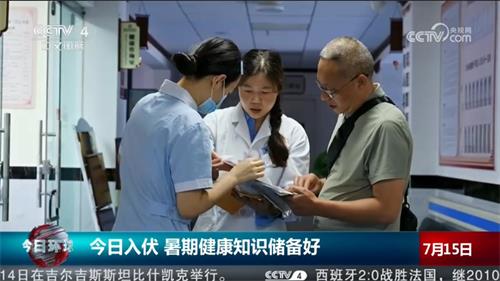
From July 15 to August 23, this year’s Sanfu (Dog Days) period will begin, lasting a full 40 days. Every year at this time, there are countless claims about Sanfu wellness practices, making it hard to tell which ones suit you. Which conditions benefit from Sanfu therapy? The Sanfu period is ideal for treating winter ailments in summer (a traditional TCM concept). So-called “winter ailments” don’t necessarily mean diseases that only appear in winter—they refer to conditions that either worsen in cold weather or are prone to flare-ups during colder months, such as chronic bronchitis, asthma, rheumatoid arthritis, and frequent colds due to weak constitution. The root cause is often insufficient Yang energy (vital warmth) and accumulated cold-dampness in the body. The Sanfu period is when the body’s Yang energy peaks annually. Taking advantage of this natural rhythm to regulate health can help expel internal cold-dampness and strengthen the body’s resistance. However, treating winter ailments in summer must be tailored to individual constitutions. Misconception 1: Should we eat spicy food, ginger, or drink mutton soup during Sanfu to “counter heat with heat”? This approach isn’t universally applicable. While “counteracting heat with heat” has merit, it only suits specific regions and body types. Northern China’s Sanfu wellness focus: Warm Yang, dispel cold, fortify the exterior, nourish the lungs, and strengthen Spleen Qi Northern regions experience hot days but cool mornings/evenings, with long, harsh winters. Locals often have a deficient-cold constitution—their bodies feel cold internally despite external heat. Recommended diet: Yam, Euryale ferox, lean mutton, and millet porridge Simmer lean mutton in cold water with scallions, ginger, cooking wine, and white radish slices to remove gamey odors. Boil millet with water until bubbling, then add the blanched mutton, yams, and Euryale ferox (lotus seed stem fruit), and simmer on low heat for ~40 minutes. Avoid if you have fever, dry mouth/bitter taste, or constipation. During acute gout flares, substitute mutton with lean pork. Lingnan (Guangdong/Guangxi) region’s Sanfu wellness focus: Warm Yang and expel dampness while balancing heat-clearing Lingnan’s Sanfu period is scorching and humid, leaving locals feeling lethargic, sticky, and bloated. Adding more ginger or spicy food would “pour oil on fire.” Instead, locals rely on cooling herbal teas and slow-cooked soups, emphasizing clearing heat without damaging the Spleen and expelling dampness without depleting Qi. Recommended diet: Kapok flower, lotus seeds, pork bones, and red date soup Use dried kapok flowers (a Lingnan summer herb), fresh white lotus seeds, pork bones, red dates, and a slice of ginger to simmer a soup. This recipe clears heat, promotes dampness expulsion, and nourishes the heart and mind.
People with severe Spleen-Stomach Yang deficiency, those suffering from wind-cold common cold, or individuals with a deficient-cold constitution should use caution.
Chongqing and Sichuan’s Sanfu wellness focus: Strengthen Spleen, expel dampness, move Qi, and relieve stagnation
Chongqing and Sichuan regions are often foggy with little sunlight, making dampness difficult to dissipate. Trapped dampness in the body can block Qi flow, preventing Yang energy from spreading freely. Locals’ love for spicy and numbing foods leverages the pungent, dispersing power of chili peppers and Sichuan peppercorns to expel dampness through sweating.
Recommended diet: Adzuki bean and coix seed porridge
Ingredients: 30g adzuki beans (赤小豆), 30g coix seed (薏米), 5g dried tangerine peel (陈皮), 4 red dates. Simmer into porridge.
Note: Adzuki beans (赤小豆) are not the same as red beans (红豆). Red beans have almost no dampness-expelling effect, while adzuki beans promote diuresis, reduce swelling, and strengthen the Spleen to expel dampness.
Consume 1–2 times weekly. For those with significant Spleen-Stomach Yang deficiency, add a few slices of fresh ginger to the porridge to balance its cold nature.
Misconception 2: Are Sanfu patches a universal health remedy suitable for everyone?
Sanfu patches have clear indications and contraindications—blindly following trends is not advisable.
✅ 6 groups suitable for Sanfu patches:
Respiratory Yang-deficient individuals: Allergic rhinitis, chronic asthma, weak constitution prone to colds
Spleen-Stomach Yang-deficient people: Stomach sensitive to cold, diarrhea after eating cold foods
Cold-damp joint diseases: Joint pain worsens on rainy days or in winter
Subhealthy individuals with Yang deficiency: Fatigue, cold limbs, aversion to cold
Women with uterine cold: Abdominal pain during menstruation, cold lower abdomen
Weak children: Recurrent colds, coughing/asthma
❌ 7 groups who should avoid Sanfu patches:
Heat-prone constitution or Yin deficiency with fire hyperactivity: Prone to “internal heat,” dry mouth/bitter taste, constipation, red tongue with little moisture
Damp-heat constitution: Bitter mouth, sticky sensation, yellow greasy tongue coating
Patients in acute flare-up phases: e.g., fever, sore throat with inflammation
Those with skin injuries, dermatitis, or allergies
Special physiological groups: Pregnant women, women with heavy menstrual flow
Infants under 3 years old
Patients with nodules or tumors with a heat-prone constitution
This year’s Sanfu patch application schedule:
Initial Fu (初伏): July 15 | Middle Fu (中伏): July 25 | Extended Middle Fu (中伏加强): August 4 | Final Fu (末伏): August 14.
Patch application does not need to be strictly limited to the designated day—within 3 days before or after is acceptable.
This year’s Sanfu period lasts 40 days. Many assume this extended version is rare, but in recent years, it has become common due to the 20-day Extended Middle Fu, which adds an extra patch session.
Misconception 3: Is drinking cooling herbal tea during Sanfu to expel dampness and clear heat universally applicable across China?
This claim is inaccurate. For example, Guangdong’s herbal teas target locals’ Spleen-deficiency with damp-heat constitution, with a predominantly cooling medicinal nature. Some Northerners experience diarrhea after drinking Guangdong herbal teas simply because their constitutions don’t match. Thus, regional Sanfu wellness teas should differ based on local characteristics.
Northern China: Sanfu Clear-Moisture and Spleen-Strengthening Tea
Ingredients: 5g fried coix seed (炒薏米), 3g polygonatum (玉竹), 2g dried tangerine peel (陈皮), 2g pale bamboo leaf (淡竹叶), 1g roasted licorice root (炙甘草).
Effect: Strengthens Spleen, expels dampness, nourishes Yin, and moistens dryness. Clears heat without causing coldness, moistens without being greasy.
For those with significant Spleen-Stomach Yang deficiency, reduce pale bamboo leaf to 1g or remove it entirely.
Chongqing and Sichuan: Three-Flower Drink (三花饮)
Ingredients: 1g each of lonicera flower (山银花), chrysanthemum (菊花), and jasmine (茉莉花). Steep in boiling water.
Effect: Clears heat, relieves summer heat, aromatically awakens the Spleen, and moves Qi to relieve stagnation.
For those with Spleen-Stomach Yang deficiency, add 3–5 dried longan arils to balance the cold nature.
Special statement: if the pictures and texts reproduced or quoted on this site infringe your legitimate rights and interests, please contact this site, and this site will correct and delete them in time. For copyright issues and website cooperation, please contact through outlook new era email:lwxsd@liaowanghn.com
 Recommended Reading Change it



















 Home
Home

