How to adjust your diet to intervene in aging? Listen to experts
2026-07-16
Many elderly people say, “It’s hard to buy old-age slenderness for a thousand gold coins.” However, they often overlook that sarcopenia (age-related muscle loss) poses multiple health risks, including falls, fractures, and weakened mobility.
On the 15th, Dr. Wu Jiang, chief physician of Shanghai’s Clinical Nutrition Department, told reporters that as people age, the body’s ability to synthesize proteins continuously declines. If protein intake is unbalanced or insufficient in daily meals, the body will actively break down muscle tissue for energy, gradually leading to symptoms like thin limbs, shuffling gait, and difficulty climbing stairs.
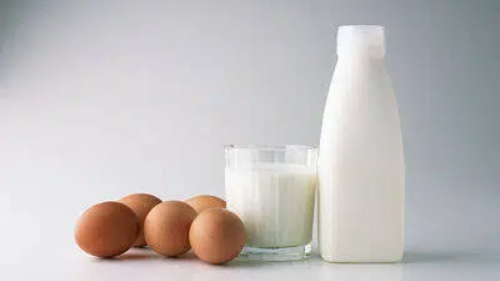
Dr. Wu emphasized that preventing and treating sarcopenia requires a dual approach of diet and exercise. Daily intake should include approximately 500ml of dairy products, one whole egg, and two to three palm-sized portions of fish, shrimp, or lean meat. He stressed that protein-rich foods must be evenly distributed across breakfast, lunch, and dinner—avoiding the common pattern of heavy meat consumption at lunch and vegetarian meals at dinner. For exercise, residents can perform resistance training at home such as wall sits, seated leg lifts, dumbbell exercises, and resistance band workouts. These should be combined with aerobic activities like brisk walking or swimming weekly, balancing muscle strength and cardiovascular health to achieve healthy aging.
On the same day, reporters learned that at the “Shanghai Health Lecture Hall” titled “Lifting Public Health Literacy, Everyone Enjoys Health,” organized by Shanghai’s Health Promotion Center under the guidance of the Shanghai Health Commission, Dr. Wu introduced two simple ways to preliminarily self-test muscle reserves: First, wrap your thumb and index finger around the thickest part of your lower leg—if the fingers can encircle it, it indicates insufficient muscle mass. Second, measure the calf circumference (at the thickest point) with a tape measure: a reading below 34cm for men or 33cm for women suggests low muscle mass.
Dr. Wu also shared that globally recognized “Blue Zones” (regions with exceptionally high longevity) have reached a unified conclusion after decades of research: balanced and diverse daily diets, regular moderate exercise, stable and frequent social interactions, and a calm, relaxed mindset are the four core pillars of healthy longevity.
Addressing the public’s concern about slowing aging, Dr. Wu stated: “Dietary adjustment is the most cost-effective and stable core method to intervene in aging.” She cited authoritative international research findings: Adhering to standardized diet, sleep, and exercise interventions for 8 weeks can significantly improve age-related biological markers in the human body. On average, participants’ biological age decreased by 4.6 years, with some cases showing a reversal of aging as much as 11 years.
Regarding staple food choices, Dr. Wu warned that long-term reliance on refined white rice carries health risks. The optimal proportion of whole grains should be controlled at 1/4 to 1/2 of total staple intake. She also noted that relying solely on coarse grains is not advisable, especially for elderly people with thin physiques or weak digestion. Excessive coarse grain intake can hinder the absorption of nutrients like iron and calcium due to high dietary fiber content, worsening symptoms like physical weakness and bloating. Vegetable selection also matters: Dark green and orange-red vegetables/fruits are rich in antioxidants like anthocyanins and carotenoids. Daily adequate consumption can delay cellular aging and reduce inflammatory damage. Additionally, fish, eggs, dairy products, and soybeans contain branched-chain amino acids, which are essential nutrients for maintaining muscle synthesis and protecting internal organs.
During the event, Dr. Wu detailed the practical standards of the MIND diet (a hybrid of Mediterranean and DASH diets designed to protect brain health), clearly dividing daily dietary “recommended” and “limited” lists. She advised adequate intake of leafy greens, fresh fruits, nuts, legumes, poultry, and deep-sea fish, with moderate consumption of berries like blueberries and mulberries weekly. Strictly control the frequency and quantity of butter, cheese, red meat, fried foods, and refined pastries/sweets. Long-term adherence to this dietary structure can steadily delay degenerative changes in the brain and preserve cognitive clarity in later life.
Regarding the traditional Chinese concept of “Zhù Xià” (summer fatigue), Associate Professor Sun Lihong from Shanghai University of Traditional Chinese Medicine explained that this occurs because the human body is long-term exposed to a “humid-heat environment.” Typical symptoms include a sharp decline in appetite, unexplained low-grade fever, excessive sweating with minimal activity, mental fatigue, irritability and chest tightness, sticky stools, and mild weight loss.
Sun Lihong also introduced that following the TCM principle “bitter flavors dispel summer heat and dry dampness,” ingredients like bitter melon, celery, lotus leaf, asparagus, and garland chrysanthemum are suitable for summer cooking. However, most bitter foods have a cold nature and should not be consumed in large quantities long-term by people with chronic gastritis or long-term spleen/stomach weakness. According to the “five-color nourishment” theory, red foods like red beans, goji berries, cherries, and tomatoes nourish the heart and blood, making them ideal for daily summer consumption to alleviate summer heat-induced blood deficiency, dizziness, and fatigue.
Summer also frequently causes simultaneous overactivity of heart fire and liver fire, manifesting as a red tongue tip, mouth ulcers, swollen and painful gums, dark red urine, bitter taste in the morning, and irritability/anger when facing challenges. For these symptoms, Sun Lihong recommended several gentle heart-clearing teas: Boiling light bamboo leaves with a small amount of lotus seed heart to relieve summer irritability and mouth ulcers; brewing chrysanthemum and cassia seeds together as tea to clear liver fire and improve constipation.
For people experiencing heart blood deficiency due to excessive summer sweating, leading to frequent palpitations, Sun Lihong recommended two dietary therapy formulas: Boiling astragalus (huang qi) with angelica sinensis (dang gui) to make a blood-tonifying tea, suitable for those with dizziness and low blood pressure; Brewing American ginseng (xi yang shen), ophiopogon (mai dong), and schisandra (wu wei zi) to prepare Sheng Mai Yin, which alleviates summer fatigue and palpitations.
(Source: Liaowang New Era)
Edit:WENWEN Responsible editor:LINXUAN
Source:China News Service
Special statement: if the pictures and texts reproduced or quoted on this site infringe your legitimate rights and interests, please contact this site, and this site will correct and delete them in time. For copyright issues and website cooperation, please contact through outlook new era email:lwxsd@liaowanghn.com
 Recommended Reading Change it
























 Home
Home

