Stay Away from Allergic Skin Conditions: Try These Dietary Therapy Recipes
2026-07-16
According to statistics, the prevalence of allergic diseases in China has been rising year by year, with allergic skin conditions being the most common—eczema, urticaria (hives), atopic dermatitis, and contact dermatitis are troubling an increasing number of people. Professor Deng Yan, director of the Dermatology Center at the Southern Medical University Integrated Traditional Chinese and Western Medicine Hospital, stated that traditional Chinese medicine (TCM) care can help people stay away from allergic skin conditions.
TCM believes that the root cause of allergic skin diseases lies in insufficient human “righteous qi” (vital energy) and weak external defense, combined with invasion of wind, dampness, and heat into the skin. External TCM therapies are a major feature in treating allergic skin diseases. Common external methods include Chinese herbal compresses and wet compresses, herbal baths and topical patches, acupuncture, bloodletting, auricular acupressure, and cupping.
Recommended Dietary Therapy Recipes
TCM emphasizes “the unity of medicine and food.” Reasonable dietary adjustment has positive significance for improving allergic constitution and promoting skin repair. Professor Deng recommends several dietary therapy recipes suitable for patients with allergic skin diseases, suggesting selecting 2–3 types per week based on individual constitution, each consumed 1–2 times.
Yupingfeng San Tea: 15g astragalus (huang qi), 10g atractylodes (bai zhu), 6g saposhnikovia (fang feng), decocted and used as tea. Effect: Tonifies qi and secures the exterior, enhancing immunity.
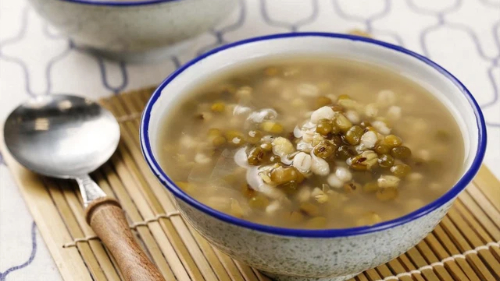
Mung Bean Coix Seed Soup: 30g mung beans, 30g coix seed (yi yi ren), appropriate amount of rock sugar, boiled into soup. Effect: Clears heat and promotes diuresis, resolves toxicity and reduces swelling.
Angelica Red Date Black Chicken Soup: 10g angelica sinensis (dang gui), 5 red dates, half a black chicken, stewed into soup. Effect: Nourishes blood and moistens skin, improving dryness.
Lily Bulb Lotus Seed White Fungus Pudding: 20g lily bulb (bai he), 10g lotus seed (lian zi), half a white fungus (er tai), stewed together. Effect: Nourishes yin and moistens dryness, calms the spirit and relieves itching.
Professor Deng reminds that during the acute allergic phase, patients should avoid seafood, beef/lamb, mangoes, bamboo shoots, spicy foods, and known allergens. Even in the chronic phase, maintain a light diet and reduce intake of high-sugar, high-fat foods.
Daily Care Is Crucial
Daily care for allergic skin diseases is vital. Scientific skincare methods can effectively reduce recurrence and accelerate recovery. Below are the daily skincare points summarized by Professor Deng:
Gentle Cleansing
Choose mild cleansers, avoiding products containing soap base, alcohol, or fragrance. Water temperature should be 32°C–37°C; overly hot water damages the skin barrier. Keep bath time to 5–10 minutes to avoid over-cleansing.
Strengthen Moisturization
Moisturizing is the core of allergic skin disease care. Apply moisturizer within 3 minutes after bathing to lock in skin moisture. Choose medical skincare products without fragrance, colorants, or preservatives. Patients with atopic dermatitis are advised to apply moisturizers multiple times daily.
Strict Sun Protection
Ultraviolet rays can trigger or worsen skin allergic reactions. When going out, use physical sun protection (e.g., hats, umbrellas) and choose gentle physical sunscreen products to avoid irritation from chemical sunscreens.
Avoid Scratching
When itchy, never scratch forcefully. Use light tapping or cold compresses instead. Scratching damages the skin barrier, leading to a vicious cycle of “the more you scratch, the itchier it gets.” Wear cotton gloves at night to prevent unconscious scratching.
Environmental Control
Keep the living environment clean, change bed sheets and covers regularly, and use anti-mite bedding. Allergic individuals should avoid keeping pets and reduce exposure to allergens like pollen and dust mites.
(Source: Liaowang New Era)
Edit:WENWEN Responsible editor:LINXUAN
Source:Guangzhou Daily
Special statement: if the pictures and texts reproduced or quoted on this site infringe your legitimate rights and interests, please contact this site, and this site will correct and delete them in time. For copyright issues and website cooperation, please contact through outlook new era email:lwxsd@liaowanghn.com
 Recommended Reading Change it
















 Home
Home

